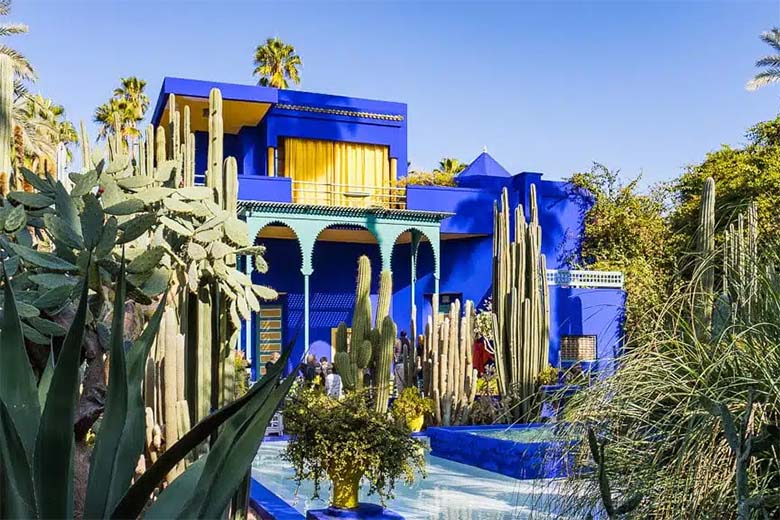
Majorelle Gardens
This enchanting 12-acre botanical garden is one of the most visited sites in Morocco and is full of cacti, palms and ferns, It was designed by the French artist Jacques Majorelle in the 1930s and has been owned by the late French fashion designer Yves Saint-Laurent since 1980. A small pavilion on site has a small but interesting collection of Islamic art.
Distance from Ghita6 ~ 3 mins by foot
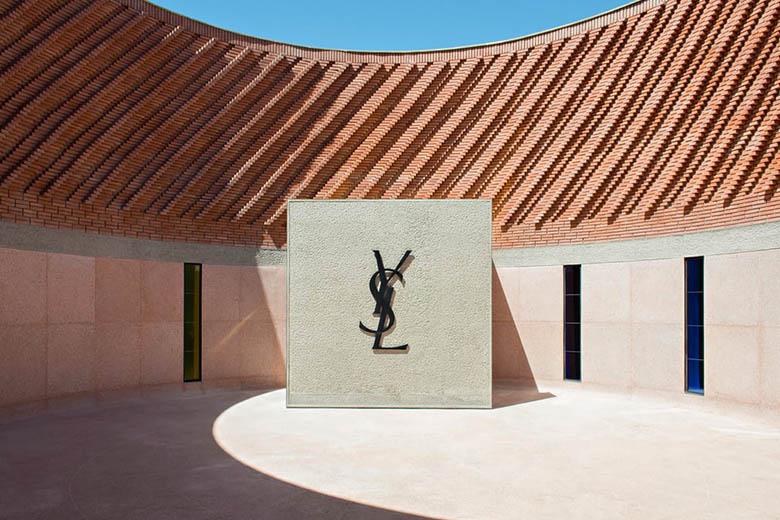
Yves Saint Laurent Museum
The Musée Yves Saint Laurent opened in October 2017 and is dedicated to the late fashion designer who was well known for his love of Marrakech. The building, which is located directly behind the Majorelle Gardens, is designed to reflect the curves of the designer’s work and features Moroccan stone and architecture that lends itself to the hot climate.
Distance from Ghita6 ~ 4 mins by foot
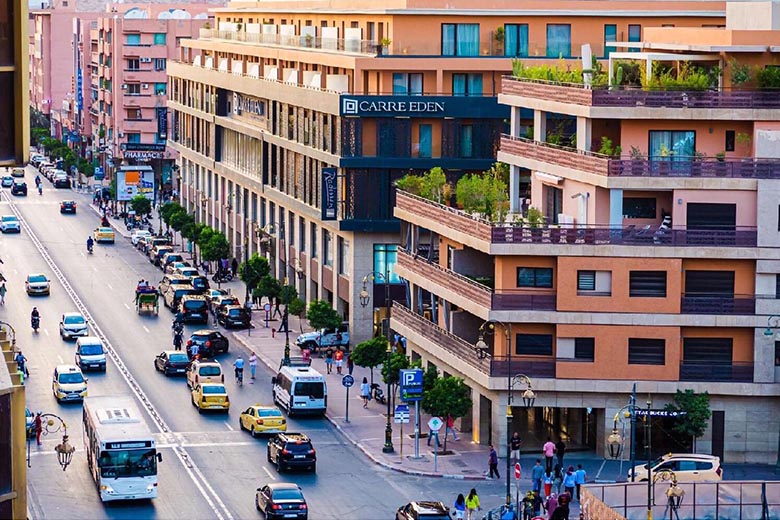
Gueliz District
The Gueliz neighborhood is modern/European-style and known for its wide avenues, international shopping, and gastronomic food culture. It offers a contrast to the historic medina with a mix of modern architecture, shopping centres (like Carre Eden and Menaral Mall), as well as international restaurants with more diverse dining options.
Distance from Ghita6 - You’re already in Gueliz
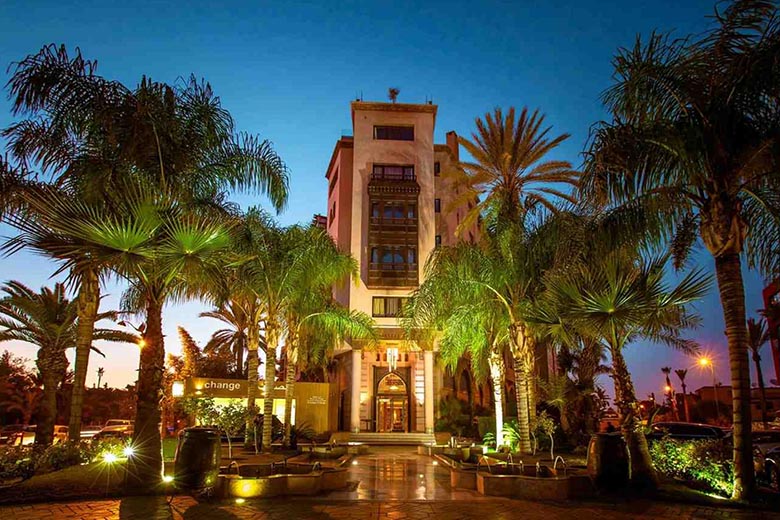
Hivernage District
Hivernage is regarded as the chic neighborhood in Marrakech and known for it's nightlife, cocktail lounges, hotel dance clubs and chic global restaurants with live music. There are high-end bourtiques such as Louis Vuitton.
Distance from Ghita6 ~ 20 mins by foot / 10 mins by taxi
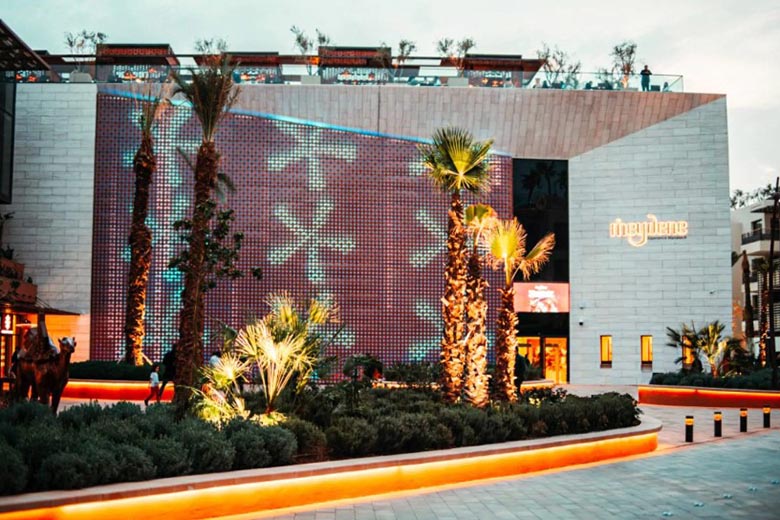
M Avenue
M Avenue is a private and landscaped avenue presenting itself as an artistic showcase, celebrating talent and creativity. It features restaurants, boutiques, as well as Meydene - an innovative space dedicated to the art of living and the cultural diversity of Morocco.
Distance from Ghita6 ~ 25 mins by foot / 10 mins by taxi
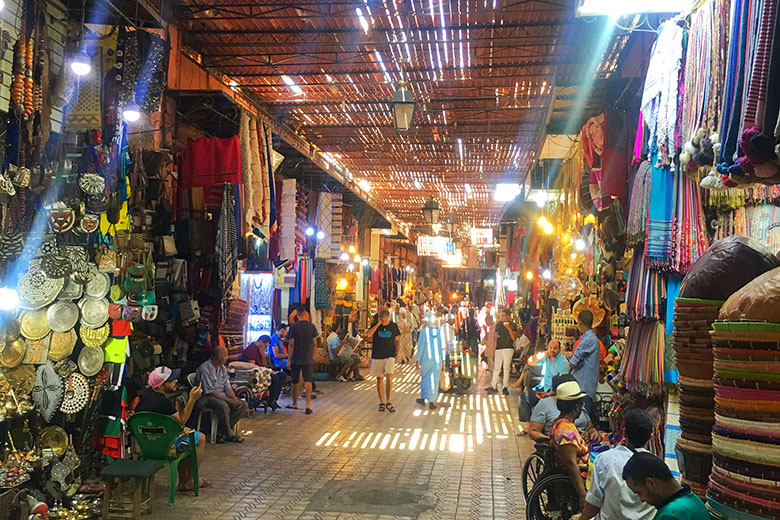
Medina and Souks
Marrakech's labyrinth Medina (Old City) district is the star attraction here. The narrow alleyways are a kaleidoscope of colours, scents and sounds, and bound to be the sightseeing highlight of your trip. As well as simply wandering (and getting lost) amid the bustling maze, there are myriad shopping opportunities where you can put your haggling hat on and barter to your heart's content.
Distance from Ghita6 ~ 30 mins by foot / 10 mins by taxi
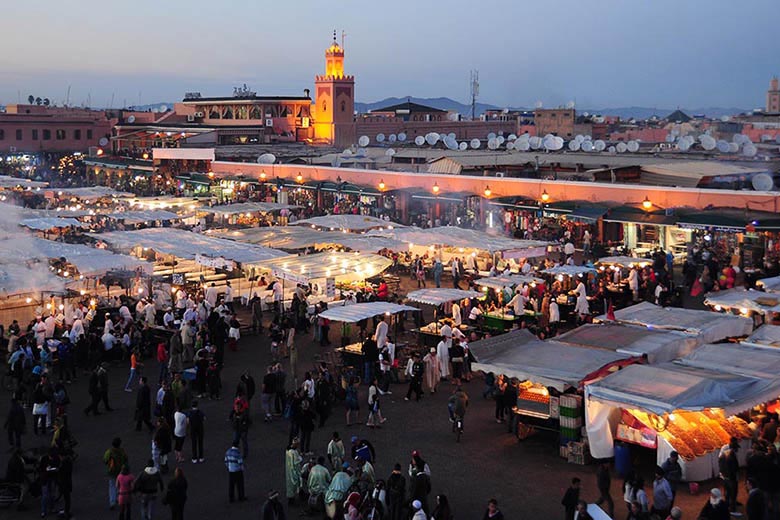
Jma El Fna
Jma El Fna is the centre of Marrakesh life and is a vibrant hub of bric-a-brac stalls, musicians, storytellers and snake charmers that never seems to rest. Here the entire spectrum of Moroccan life enfolds before you. It's also easy to escape the crowds to one of the many surrounding rooftop cafes and restaurants where you can survey the crazy scene from above.
Distance from Ghita6 ~ 30 mins by foot / 10 mins by taxi
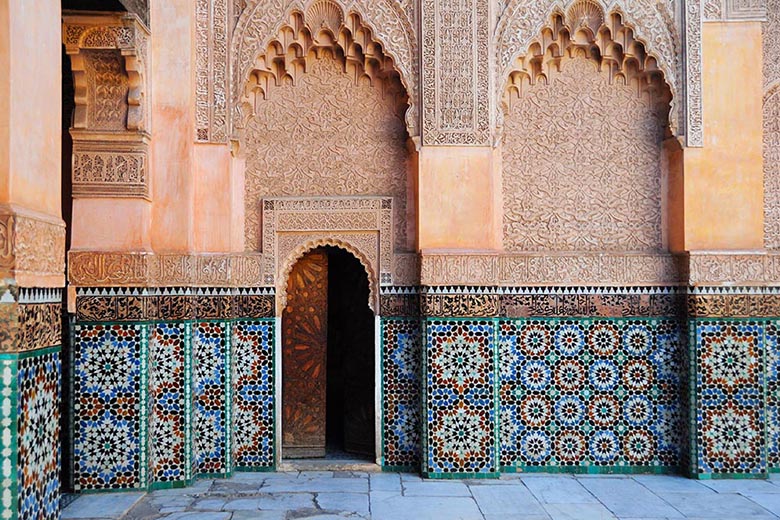
Madrasa Ben Youssef
Built in 1565 by the Saadians, this Madrasa (Islamic school of learning) is the largest theological college in Morocco. The warrens of student cells, once home to 900 pupils, are clustered around small internal courtyards in typical Islamic architecture style. The fine zellige tiling, stalactite ceilings and Kufic inscriptions used as decoration across much of the building interior are the highlights of a visit to this Medina attraction.
Distance from Ghita6 ~ 30 mins by foot
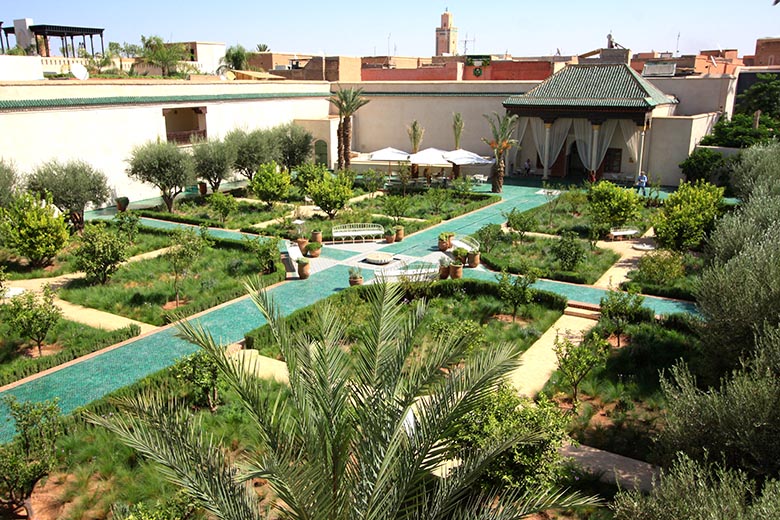
Le Jardin Secret
The riad-museum Le Jardin Secret (The Secret Garden) is one of the largest and most ancient riads in the Mouassine quarter and just a few steps away from the Mouassine fountain and Mouassine Mosque. It comprises two large gardens and one of the highest towers of the medina. The museum provides you with a wealth of historical information about Marrakech's architecture, water, and gardens. You will also find a boutique, a bookshop and two cafes inside the complex.
Distance from Ghita6 ~ 30 mins by foot
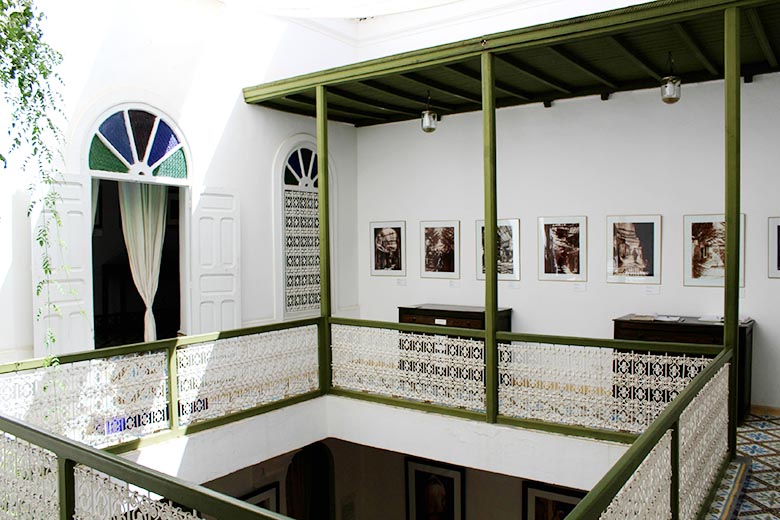
Photography Museum (Maison de la Photographie)
The Photography Museum has a collection of over 4,500 old photographs covering the period 1870-1950 and provides a unique and fascinating field of insight into various historical and cultural aspects of Morocco. The museum holds exhibitions of photos from its collection on different themes, which change every six months.
Distance from Ghita6 ~ 30 mins by foot
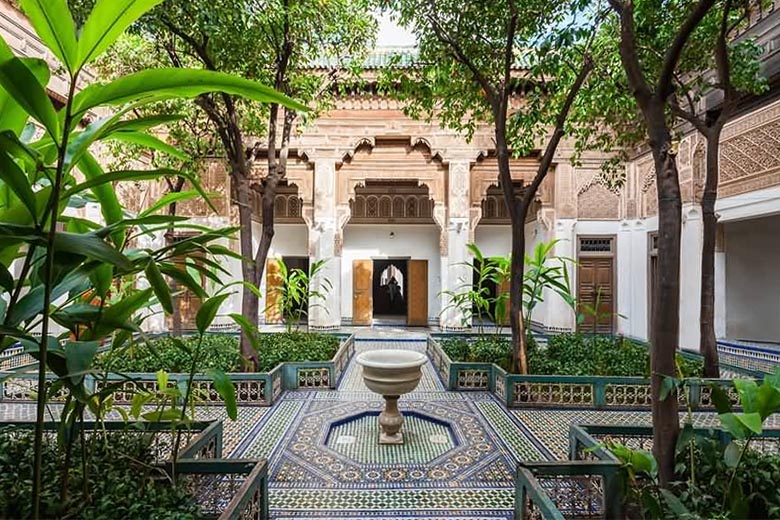
Bahia Palace
This magnificent palace was built in the 19th century as the residence of the Grand Vizier Bou Ahmed, who served Sultan Moulay al-Hassan I. The interior decoration is a dazzling display of zellige tiles, painted ceilings and ornate wrought-iron features showcasing the opulent lives of those high-up in the sultan's favour at that time. The palace is surrounded by sumptuous flower and tree-filled gardens.
Distance from Ghita6 ~ 15 mins by taxi / 50 mins by foot
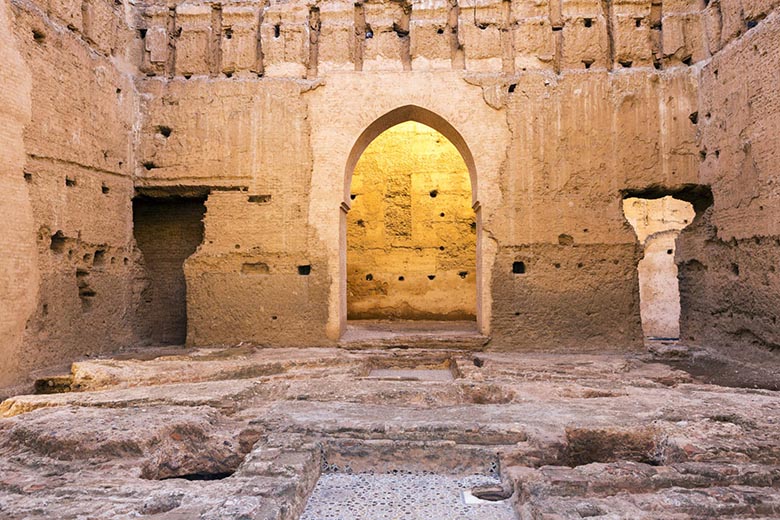
El Badi Palace
Constructed in the 16th century, this now-ruined palace was a glorious sight when it had just been constructed, with 300 rooms decorated in gold, turquoise, and crystal, with luxurious swimming pools and lush gardens. Now, the palace is a museum with several detached compartments showcasing Islamic art and artifacts.
Distance from Ghita6 ~ 15 mins by taxi / 50 mins by foot
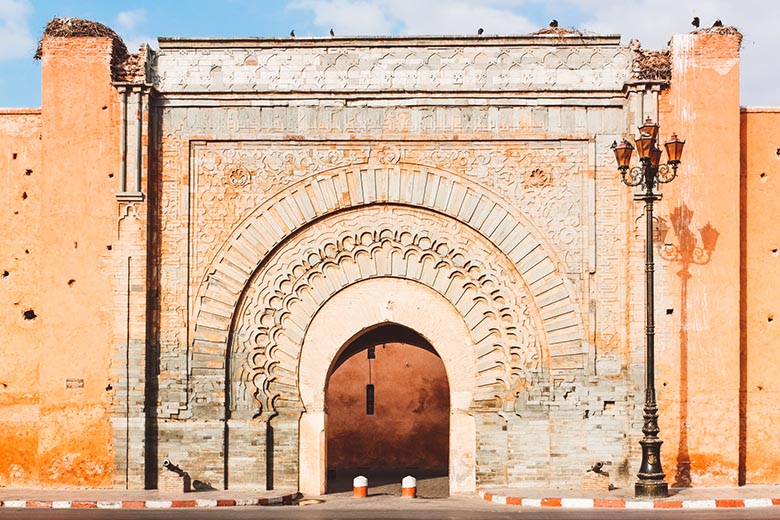
Bab Agnaou
The Agnaou door is between the 19 gates of Marrakech. It is an internal door that separates the royal kasbah from the rest of the city. This masterpiece was built in the 12th century in the era of the Almohad Caliph Abd al-Mumin bin Ali al-Koumi.